
Concrete Coating in Green Bay, WI
A concrete slab rarely fails all at once. First comes a dark patch under the car. Then there's a dusty film that never sweeps clean, and a few shallow pits near the garage door where winter melt collects. Fam Coatings, LLC coats slabs like these around Green Bay, sealing the surface and giving it a clean, even finish.

What a Coating Does for Concrete
Concrete is full of tiny pores and channels. Liquids that land on it don't stay on top. They wick down into it. Motor oil, transmission fluid, and the brine spread on Wisconsin roads all end up inside the slab. There they leave stains, and in the case of salt, they help break down the surface itself.
A coating closes that surface off. Spills sit on top long enough to be wiped up. Dust stops lifting off the floor every time someone sweeps. The slab takes on one uniform color and finish in place of a patchwork of old stains and wear marks.
Where It Makes Sense
Garage Floors
This is the most common job, and the reason is simple. From November through March, cars roll in carrying snow and slush, it melts, and the puddles sit for hours. A sealed garage floor can be squeegeed out quickly, and it keeps that salty water from soaking in day after day.
Basements
Basement slabs often get used for storage, laundry, a home gym, or a space that is slowly being finished. A coated floor brightens the room, cleans up with a mop, and stops the fine concrete dust that settles on everything stored down there.
Workshops and Utility Spaces
Shop floors take dropped tools, dragged equipment, grease, and sawdust. A smooth, sealed surface sweeps clean. It also shows a spill clearly, so you can deal with it right away.
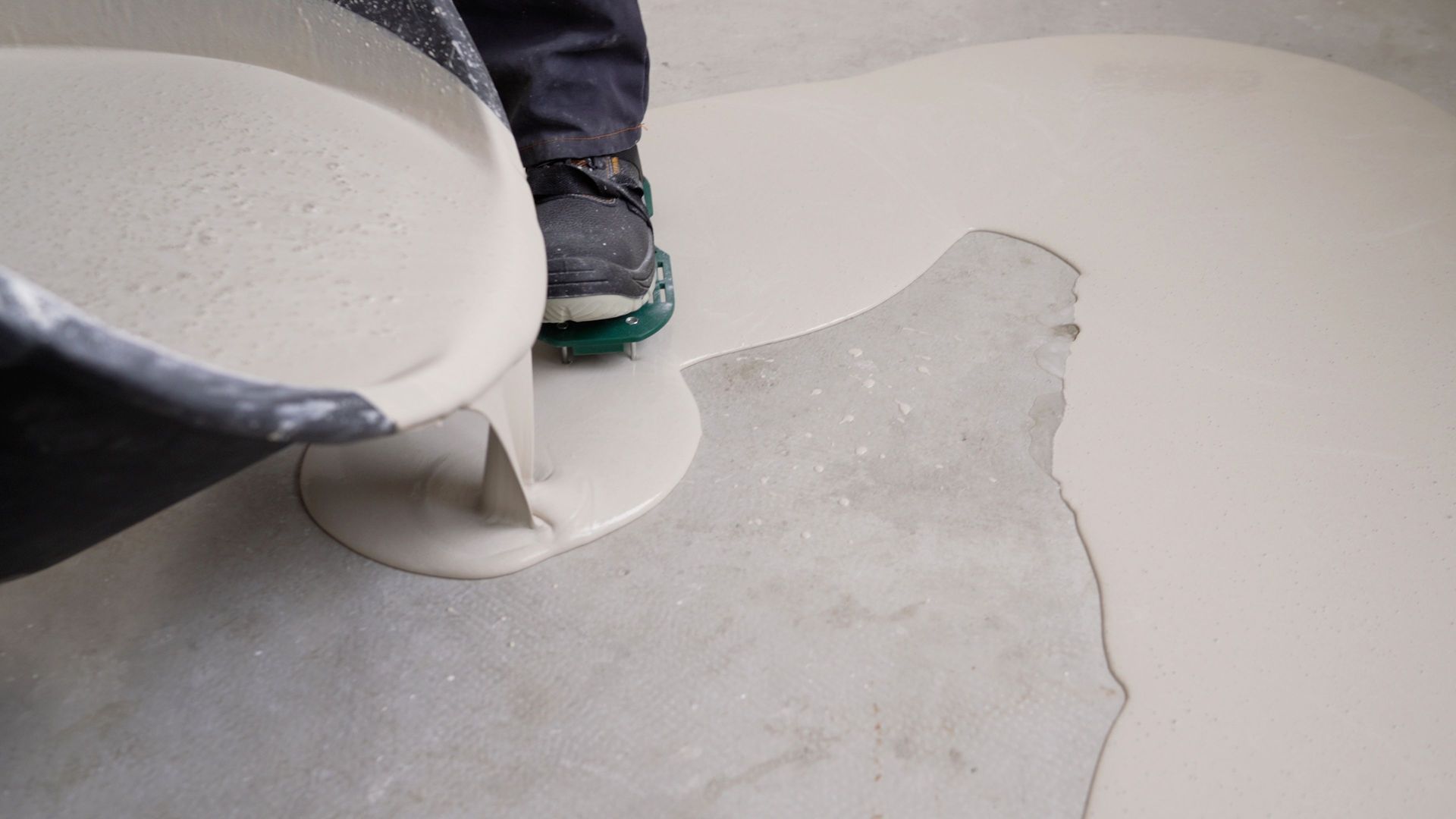
Condition Comes First
Any coating is only as good as the surface beneath it. Old paint or sealer, oil soaked deep into the slab, cracks, and moisture all change how well a new coat will bond. That is why a quote depends on what the floor looks like right now, not just its size. A clear picture of the slab up front leads to an honest answer about whether coating it is the right call.
Other Surfaces Around the Property
Floors are usually where people start, but they are rarely the only worn surface on a property. A driveway that has gone gray and brittle can be brought back with asphalt driveway coating. Indoors, a tired kitchen surface may be a candidate for coated countertops. The full range of work is on the Fam Coatings home page.
Serving Green Bay and the Surrounding Area
Fam Coatings coats garage, basement, and shop floors in Green Bay and in nearby communities such as Howard, Ledgeview, and Denmark. If you are farther out, reach out and ask.
Frequently Asked Questions
Can new concrete be coated right away?
Usually not. Fresh concrete needs time to cure before most coatings will bond well to it. A common guideline for a standard slab is about 28 days. If your slab was poured recently, include the pour date when you ask for a quote.
Can a cracked garage floor still be coated?
That depends on the crack. Thin hairline cracks from shrinkage are common in slabs and usually do not mean anything is wrong structurally. Wide cracks, cracks where one side sits higher than the other, and sections that have heaved all point to movement under the slab. A coating cannot fix movement, so those floors need a closer look first.
What if my basement floor gets damp?
Moisture rising up through a slab can push a coating loose from below. Watch for a white, powdery residue called efflorescence, dark patches that come and go, or a musty smell near the floor. If you have noticed any of these, mention them up front.
Do old oil stains matter?
Yes. Oil that has soaked into concrete keeps a coating from bonding over that spot. Stains under a car that has been parked in the same place for years often run deeper than they look. Point them out when you describe the floor.
Does road salt really damage a garage floor?
It can. When salty water fills the pores of a slab and then freezes, the expansion can break thin flakes off the top surface. This is called scaling. A sealed surface limits how much of that water gets into the concrete in the first place.